MIT X HATCI Design Challenge Winner
Designing the Future of Food Access and Mobility
How an AI-powered autonomous market system reimagines food access in midwestern food deserts.
Design Thinking
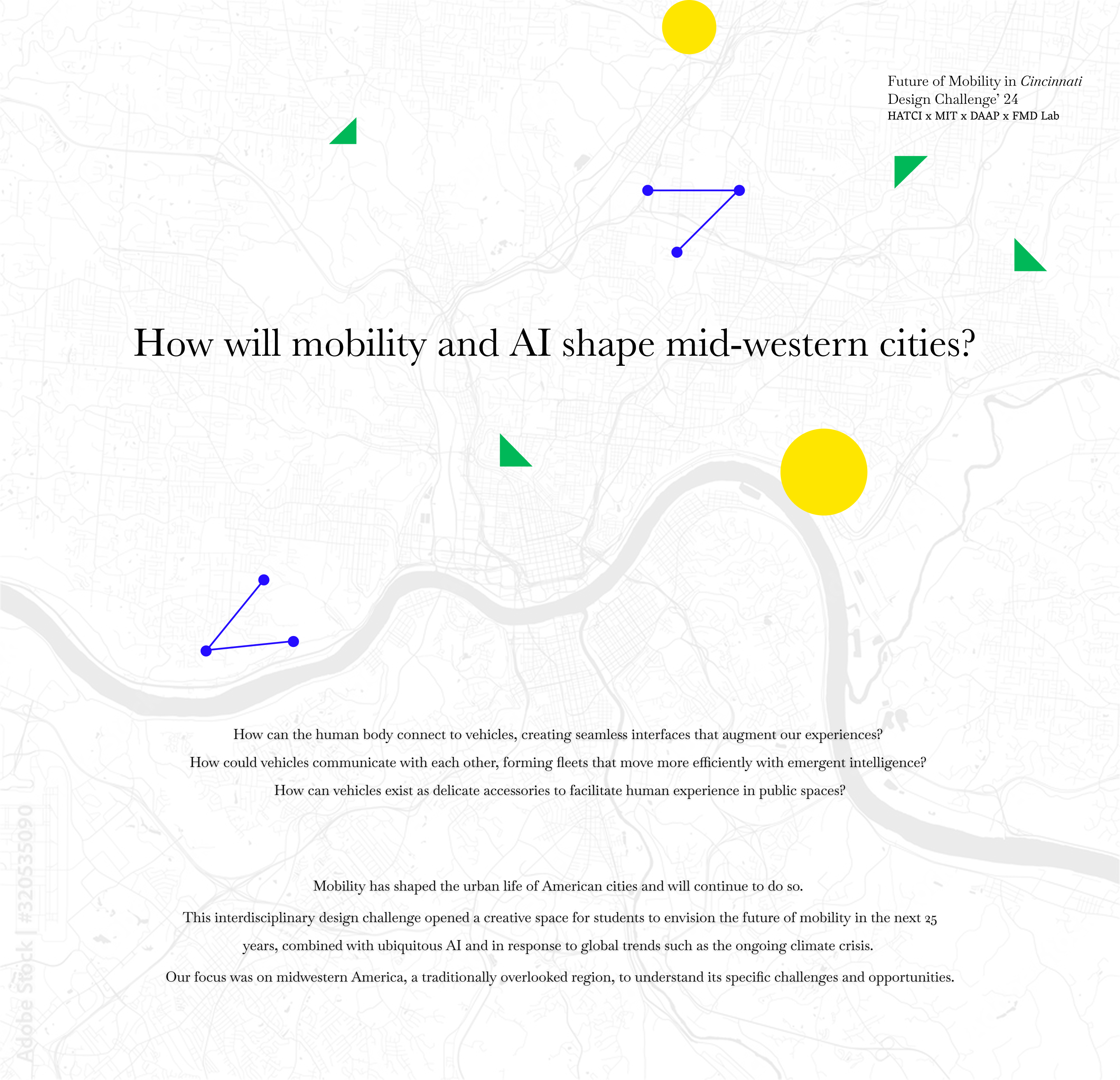
Migas was developed for the Future of Mobility and AI: A Design Challenge, a collaboration between MIT City Science, Hyundai America Tech Center, UX studio Irvine, and the University of Cincinnati. The challenge asked student teams to envision the future of mobility across the next 25 years in midwestern America, a region facing compounding challenges of food insecurity, climate change, and urban disinvestment.
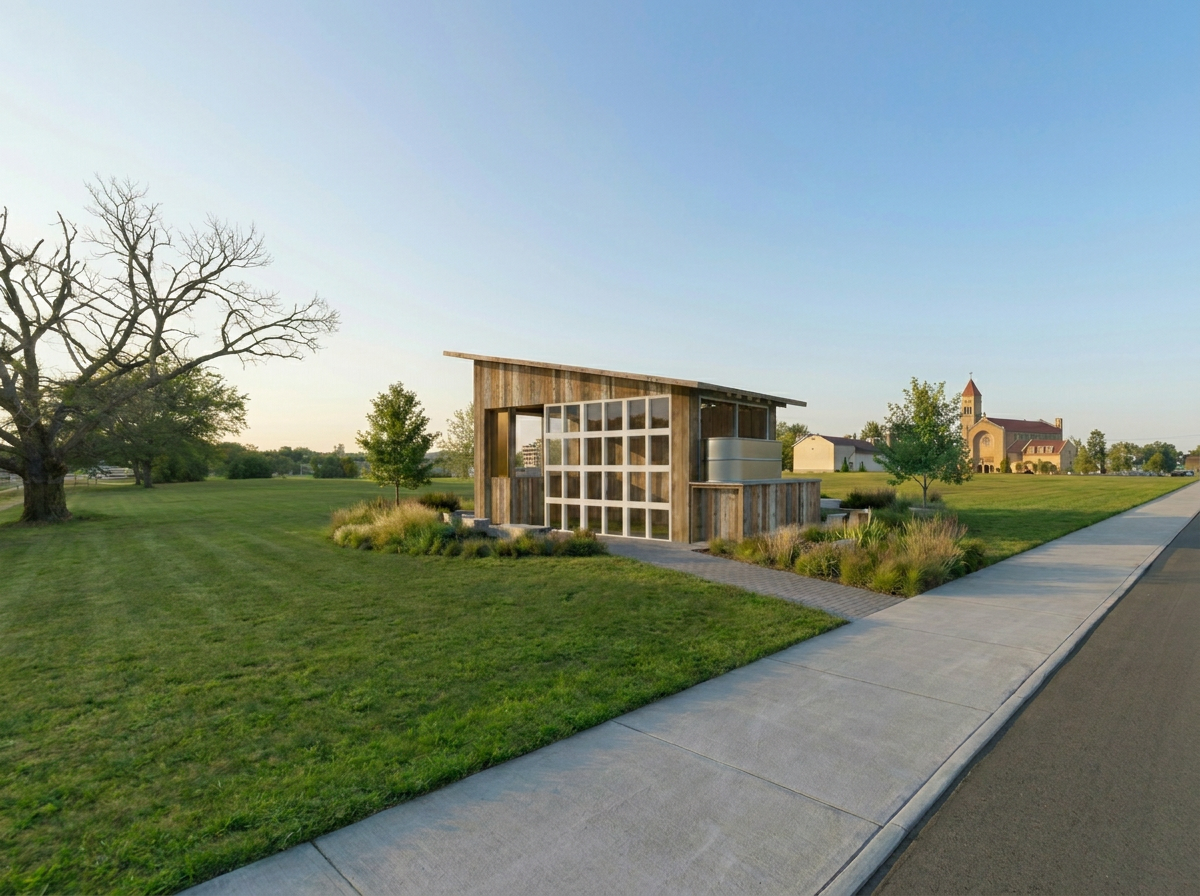
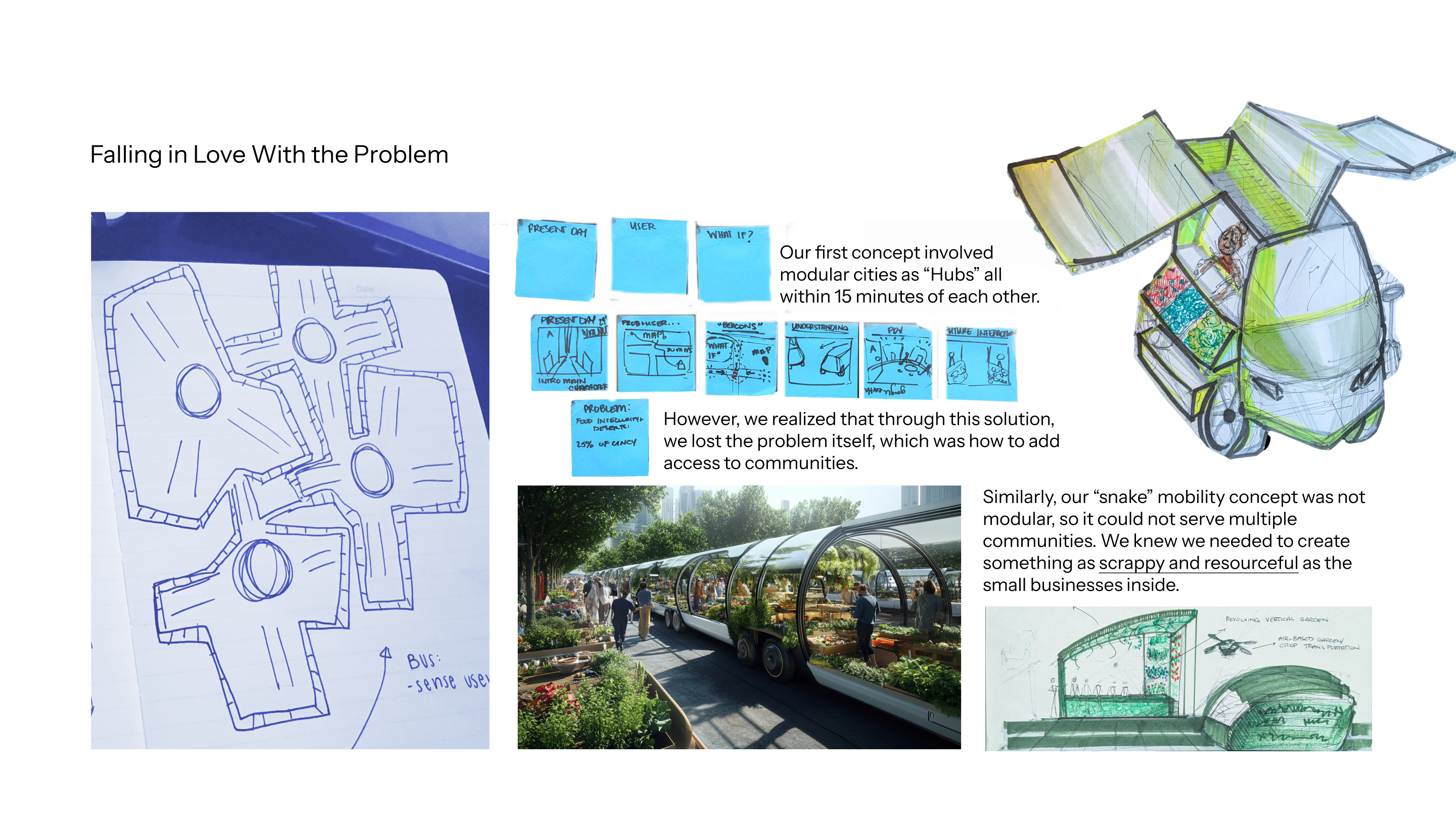
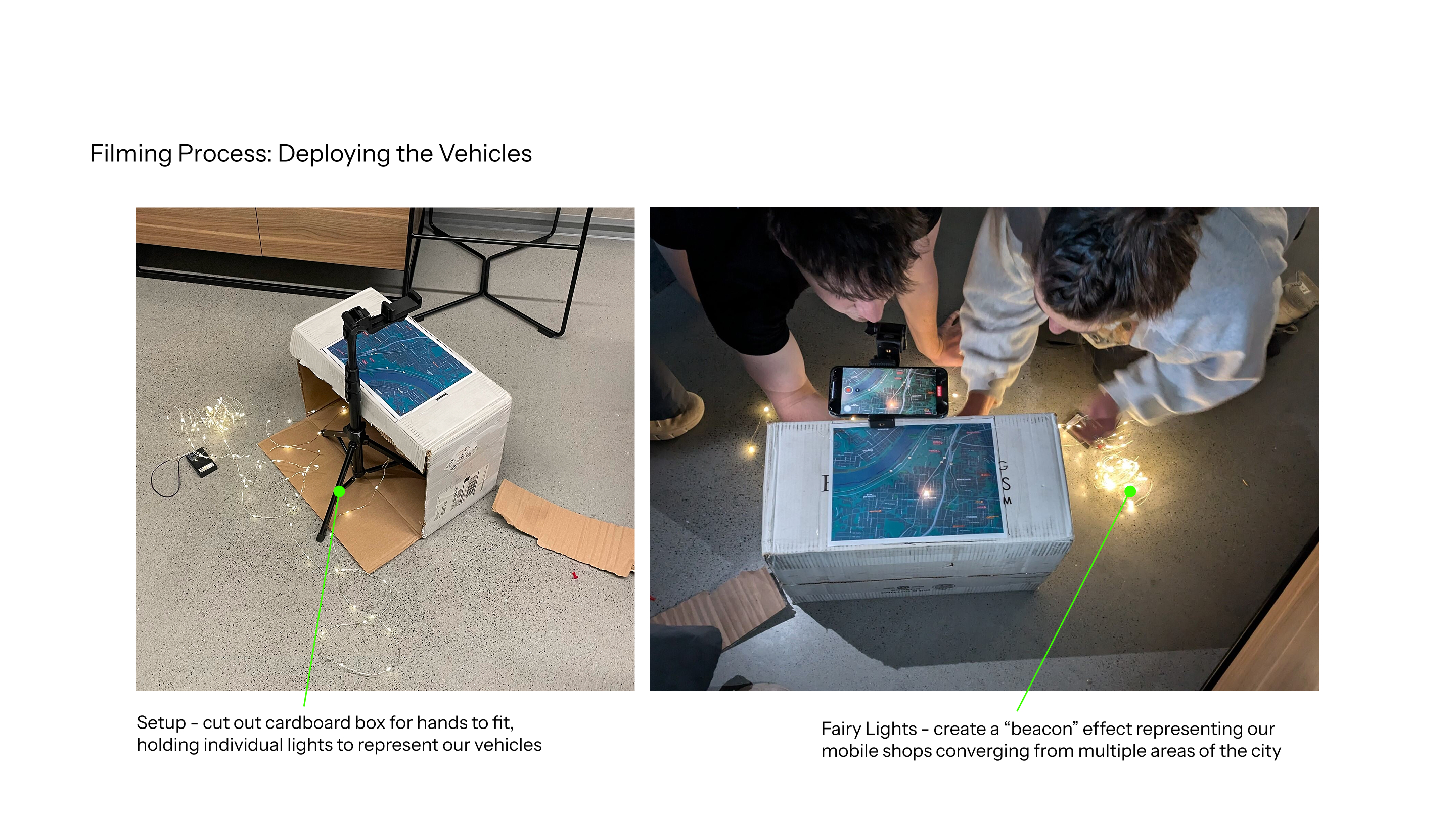
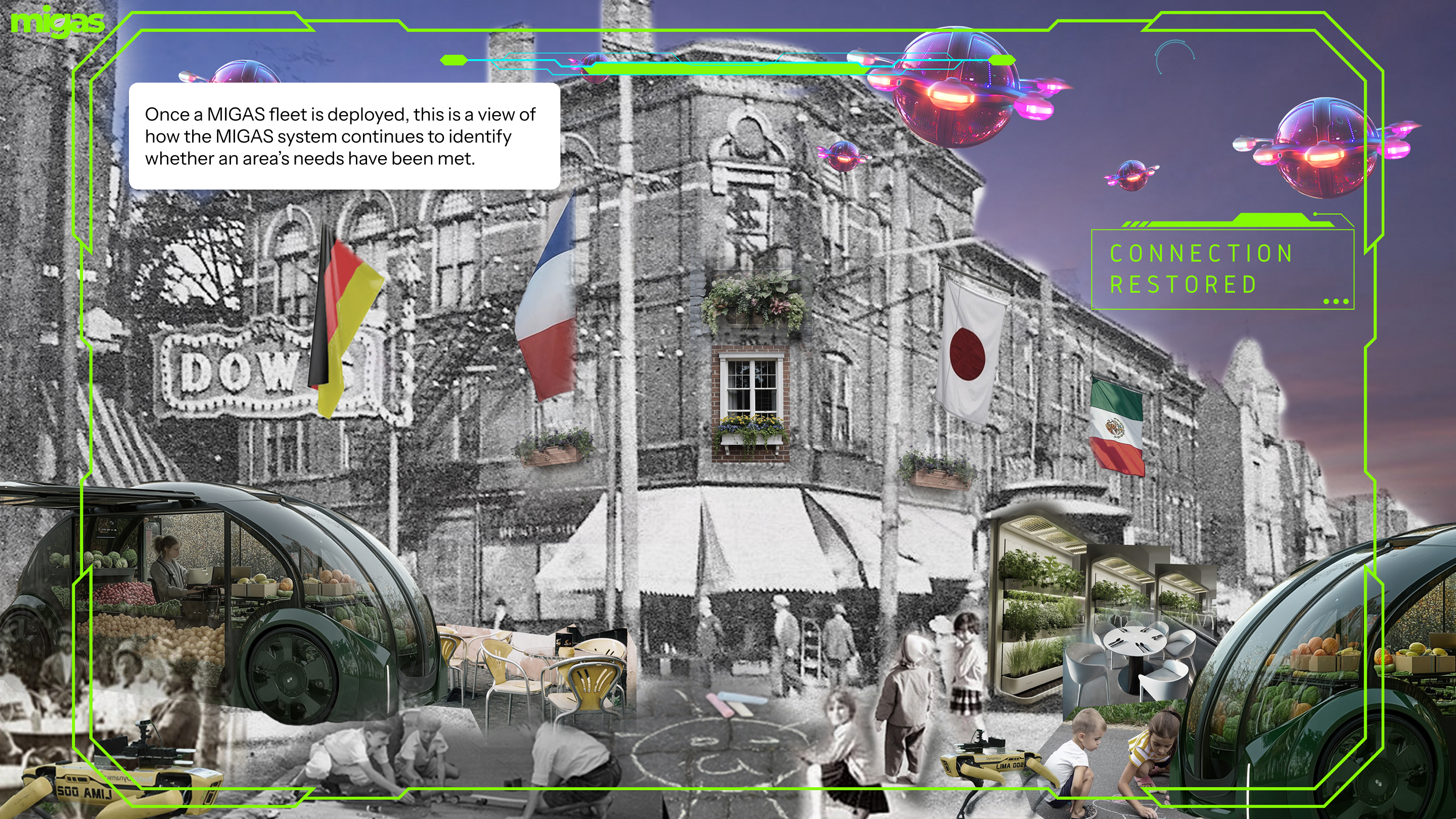
The Migas proposal centers on a fleet of AI-powered autonomous vehicles functioning as mobile market hubs. Vendors drop off locally grown food and services, and the vehicles use AI to identify areas of concentrated need, such as food deserts in neighborhoods like Walnut Hills in Cincinnati. The fleet converges at a single location, a temporary market hub forms, users are notified through an app, and all purchases are made digitally. When the market closes, the fleet disperses and responds to the next area of need.

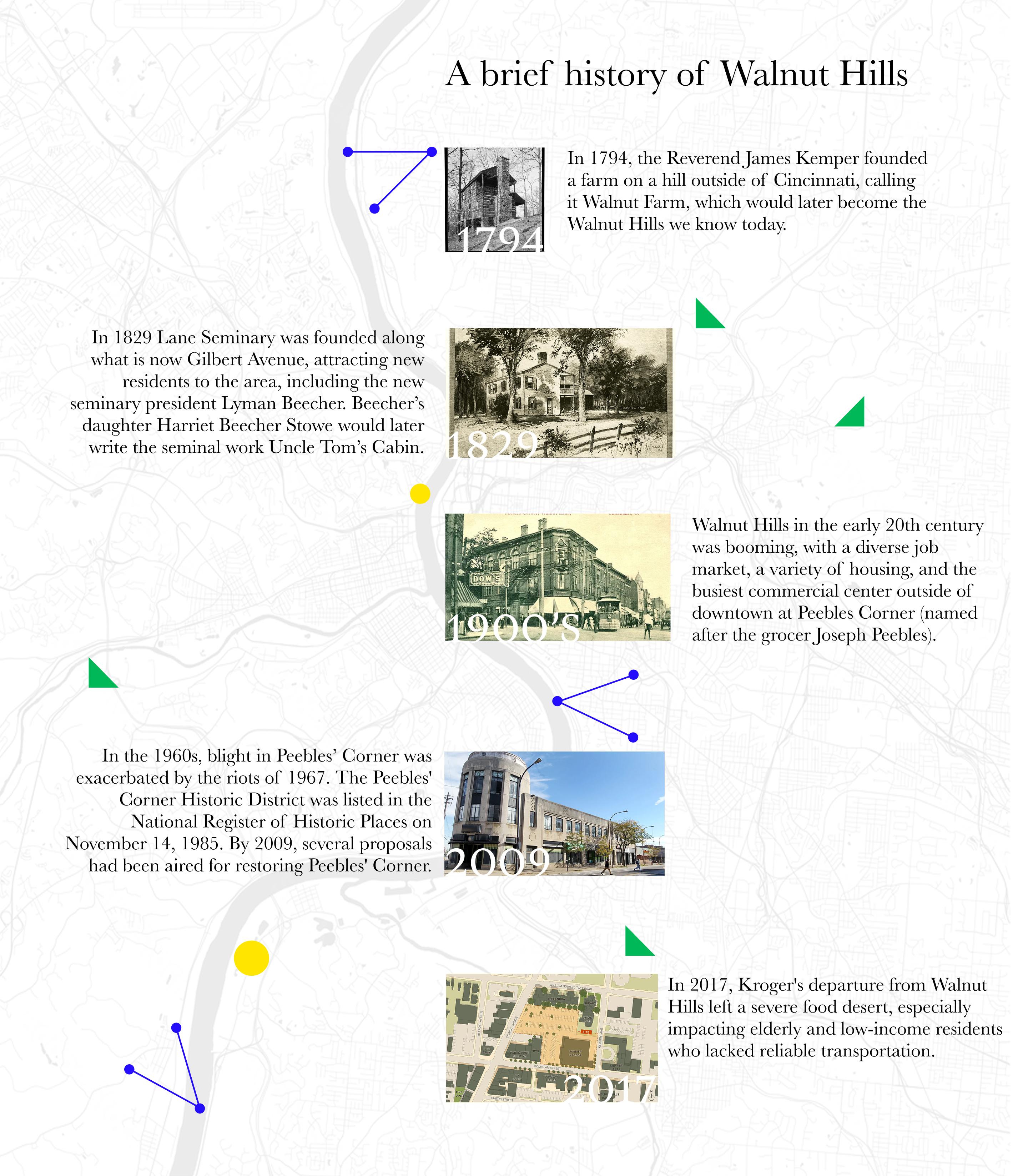
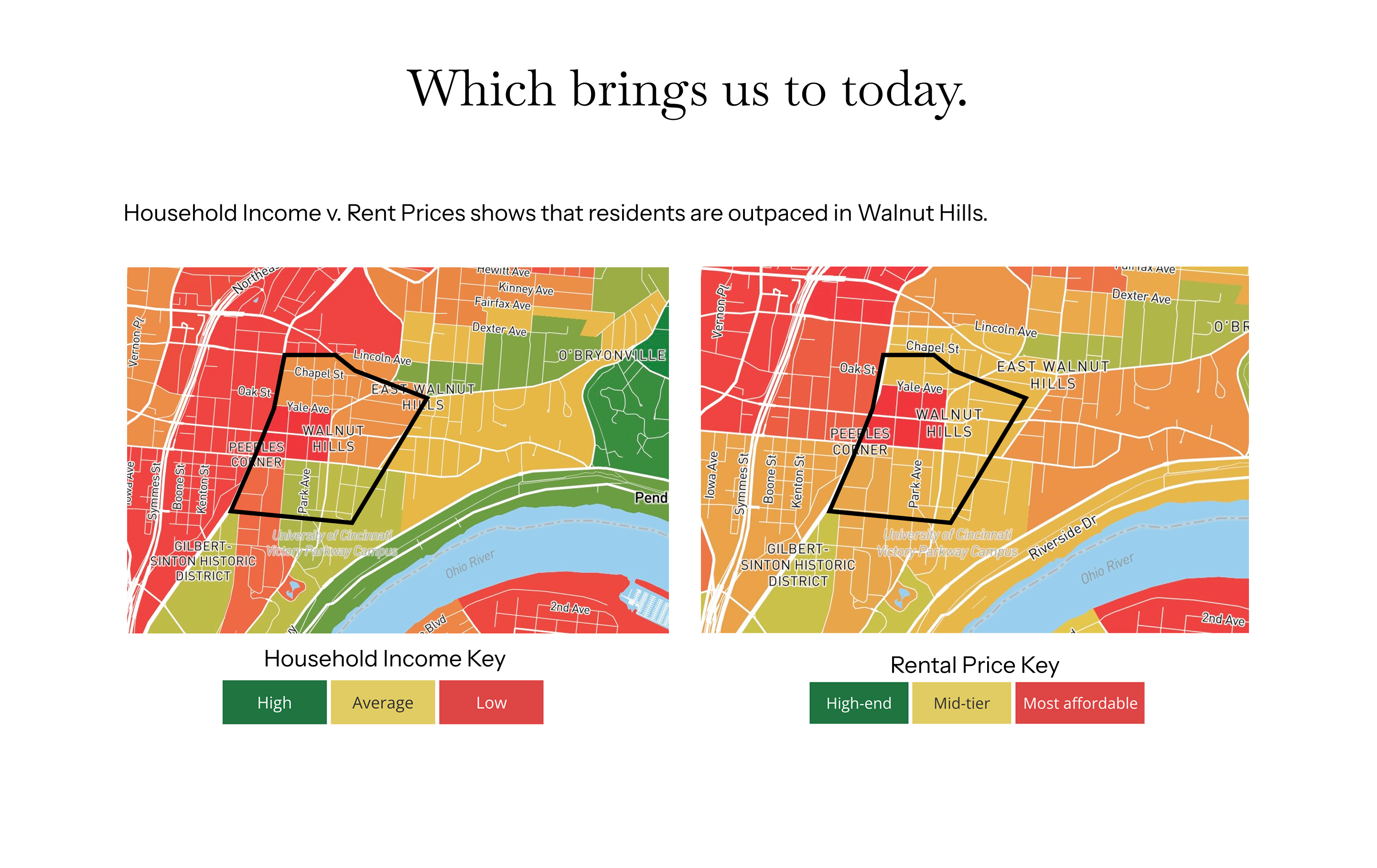
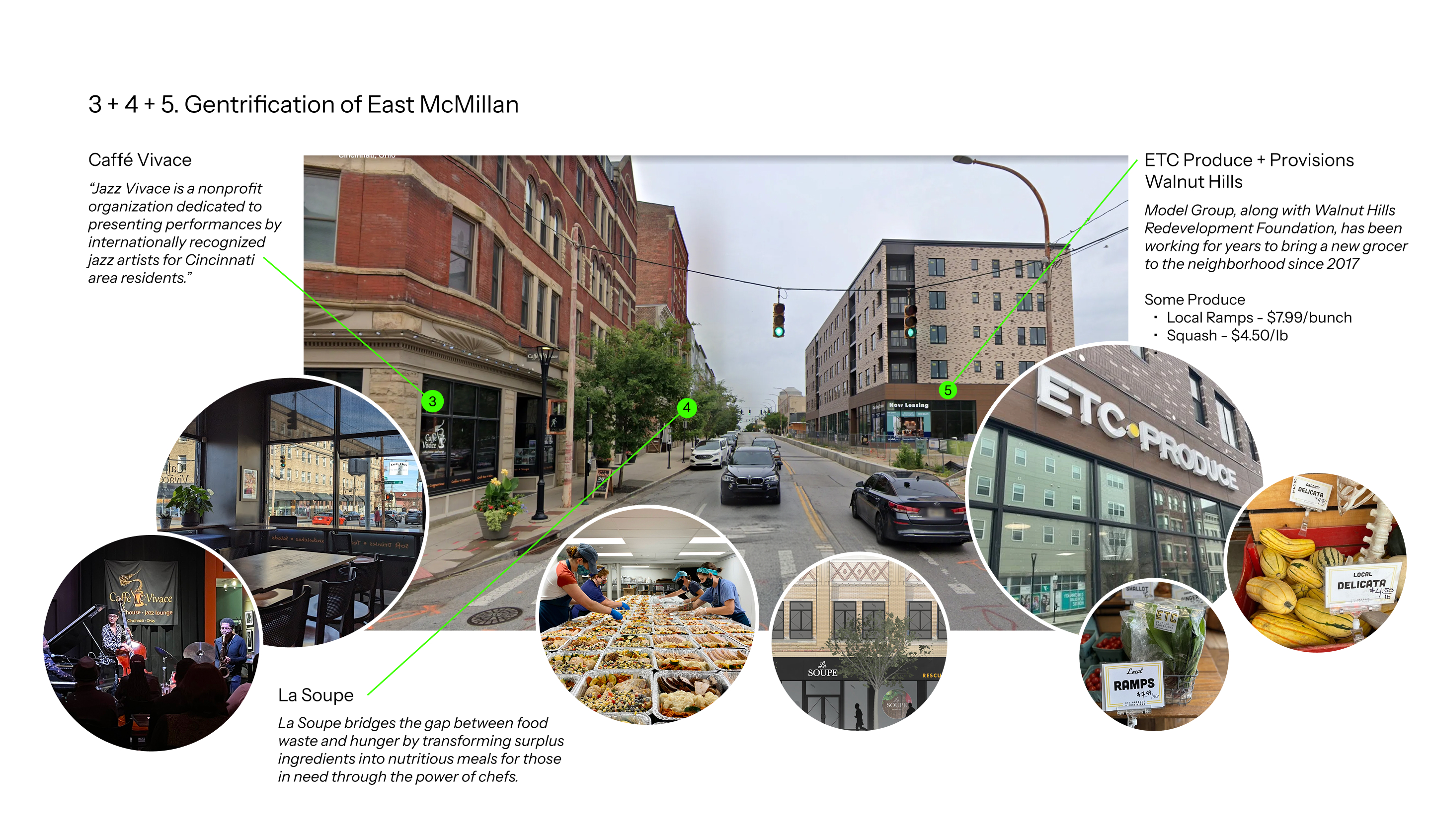
Midwestern cities like Cincinnati face a structural gap between food production and food access. Walnut Hills, a neighborhood with deep community ties, sits within a documented food desert where residents have limited access to fresh produce and local vendors have no reliable infrastructure to reach them. The challenge asked designers to envision not just a product, but a system that could respond to this gap using the emerging tools of autonomous mobility and AI, in a region rarely centered in conversations about the future.
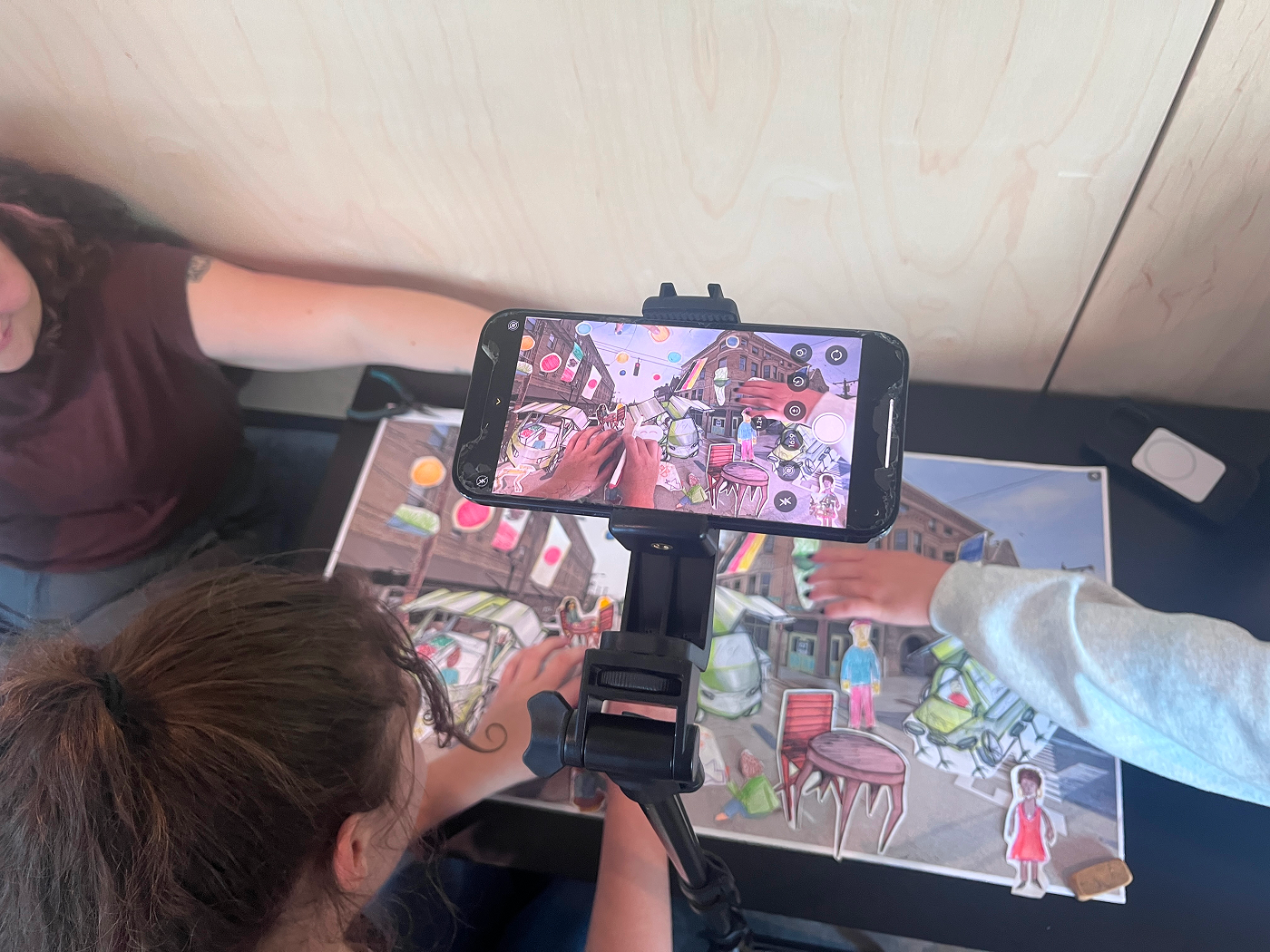
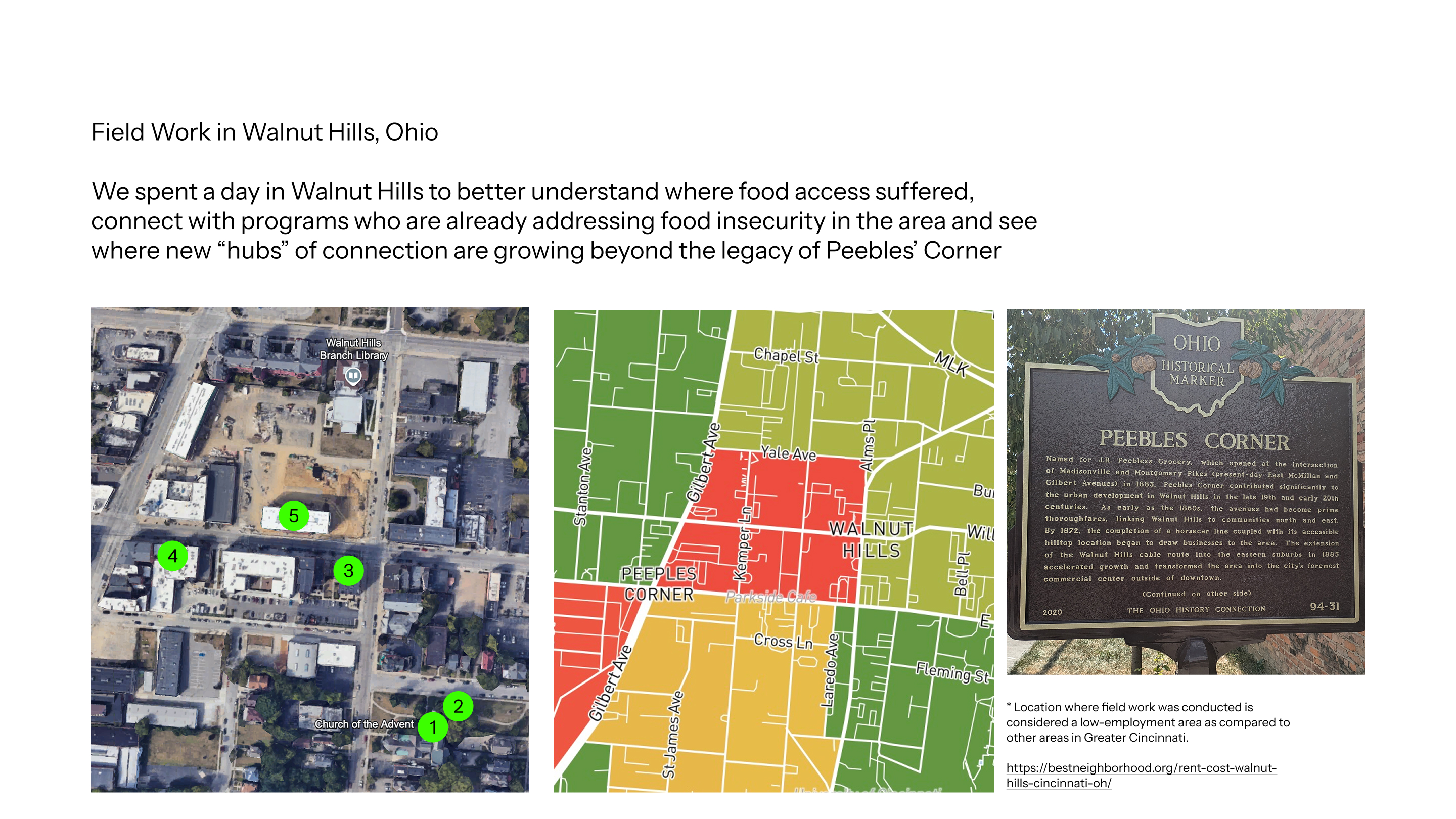
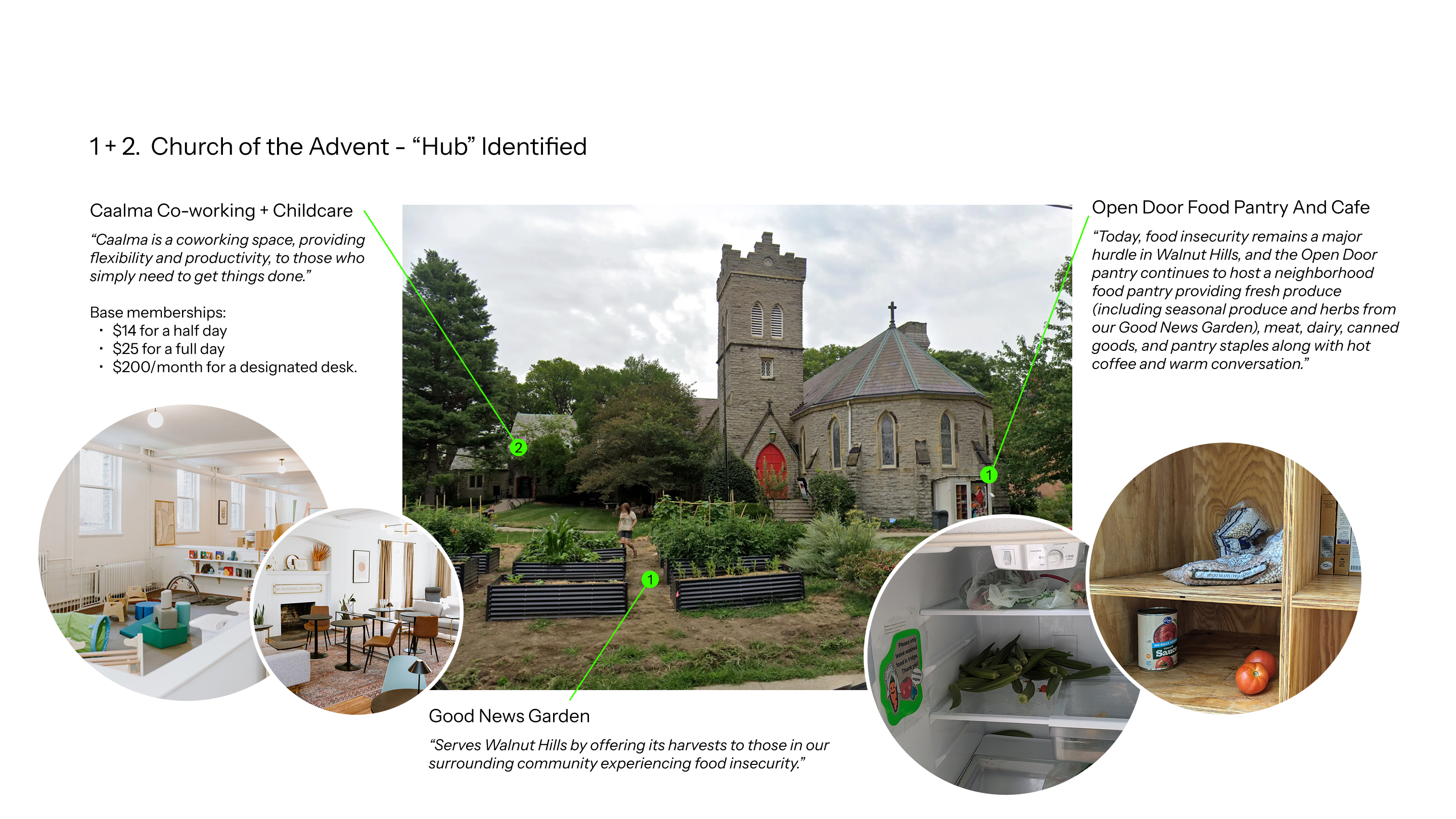
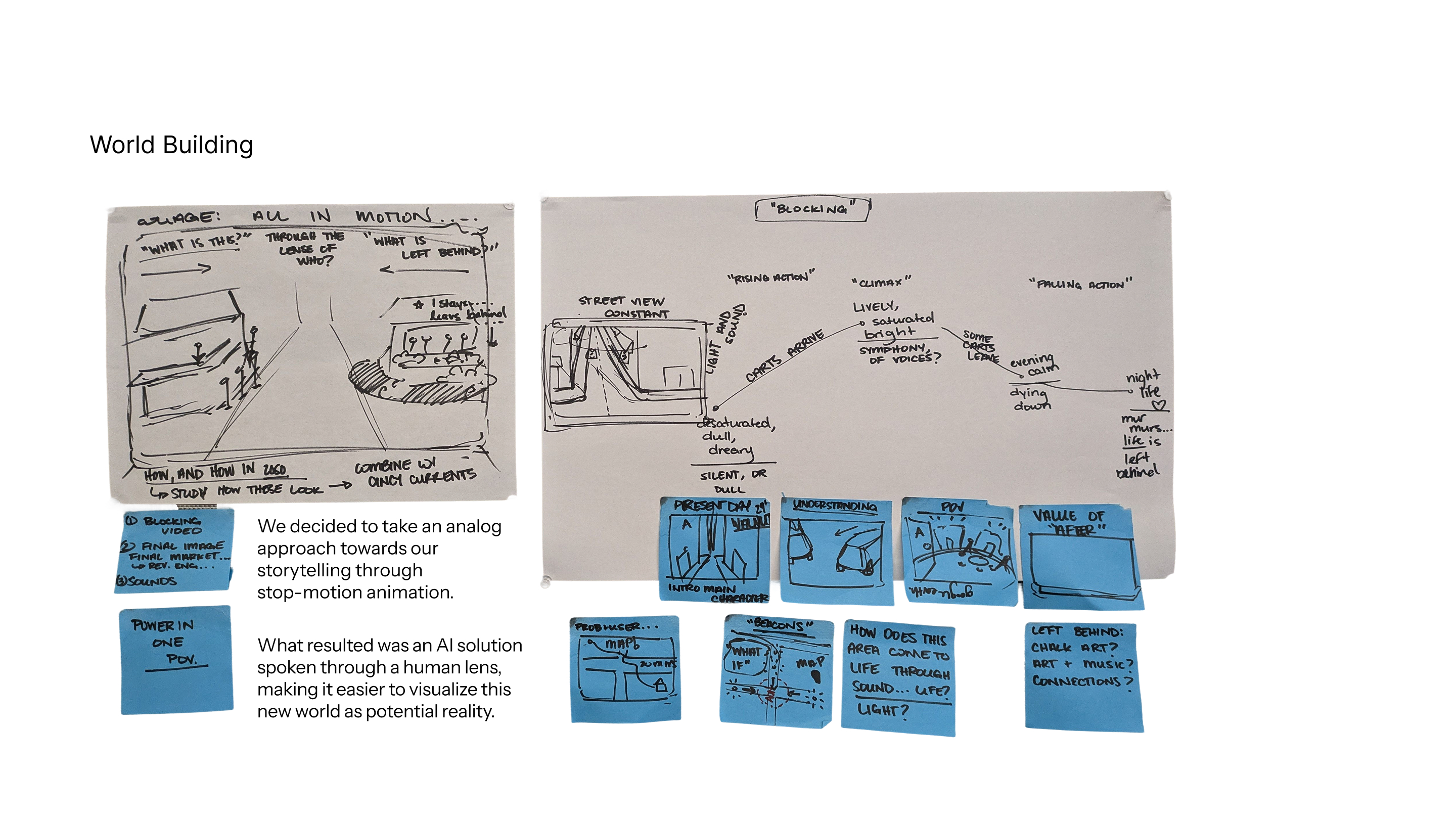
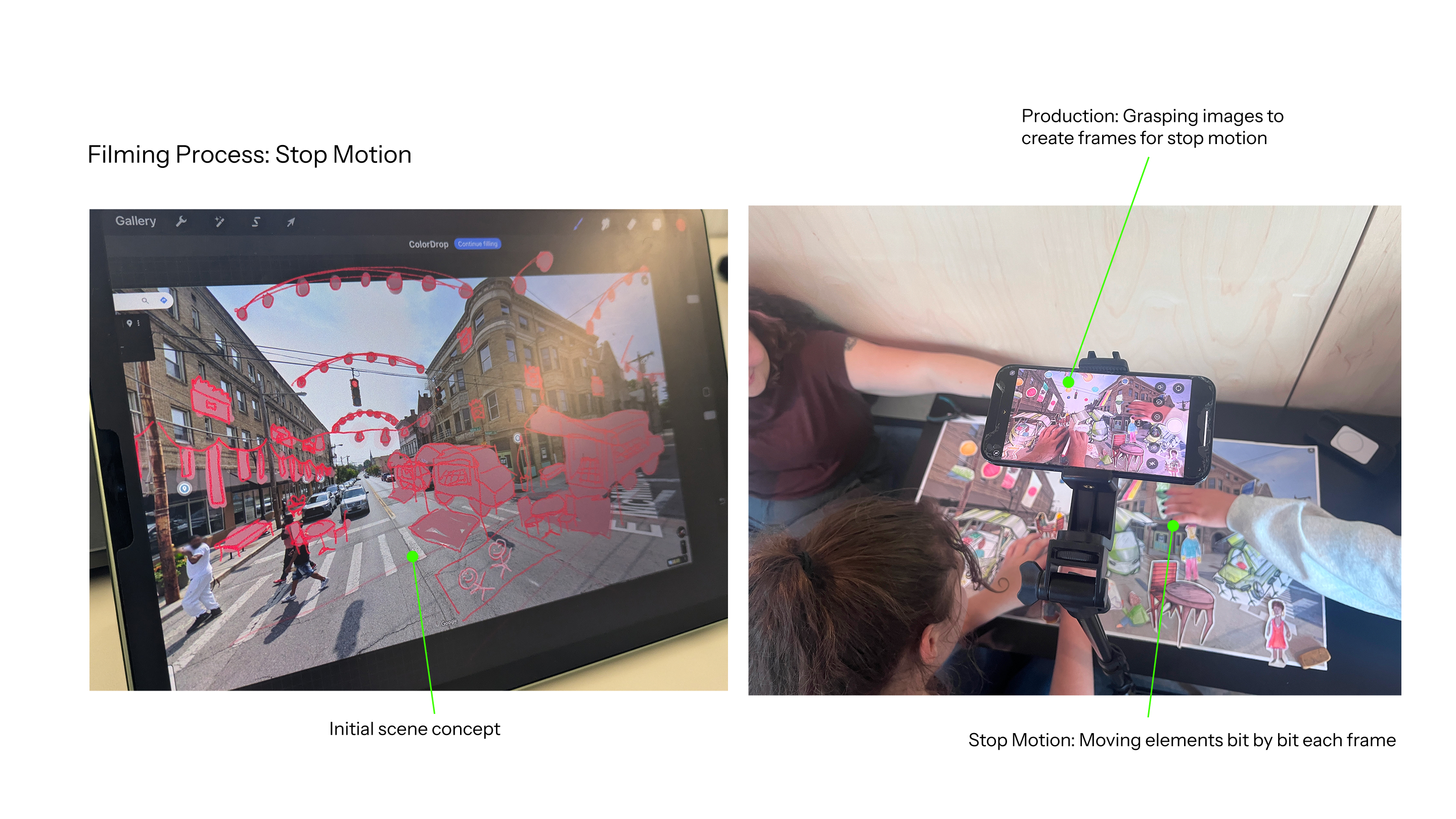
The team took a deliberately human-centered approach to an AI-driven brief. Rather than leading with technology, the project led with community, grounding the proposal in ethnographic research conducted in Walnut Hills. The final concept was communicated through a stop motion video, an intentionally analog medium chosen to emphasize the human stakes of the system over its technical complexity. The AI-powered fleet responds to real need in real time, but the experience it creates is fundamentally social: a gathering place, a market, a community moment.
Migas was selected as the winning project of the challenge, recognized by mentors from MIT City Science, Hyundai HATCI, and the University of Cincinnati. Judges specifically noted the team's analog approach toward an AI future as a distinguishing strength of the proposal.
Read the full lookbook.